NCDC Says 62 Contacts Complete Bundibugyo Monitoring With No Secondary Cases
The NCDC says 62 contacts of Nigeria’s imported Bundibugyo Virus Disease case finished 21 days of monitoring with no onward infections found. Its director-general also cautioned that the milestone is not a formal declaration that Nigeria is free of the disease.

By Sylvester Eyamah
Nov 15, 2026, 1:37 PM · 2 min read
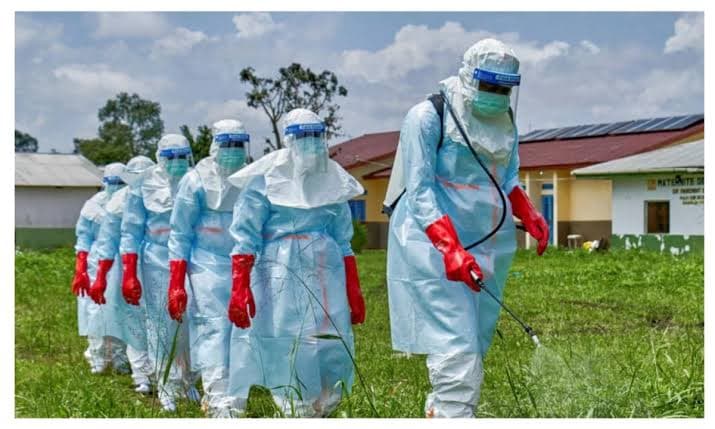
The Nigeria Centre for Disease Control and Prevention (NCDC) said on Friday, November 13, that 62 people who had contact with the country’s imported Bundibugyo Virus Disease case have finished a 21-day observation period with no secondary infections detected.
Dr Jide Idris, the NCDC director-general, gave the update at a news conference in Abuja. He said the final contact was released after the required monitoring ended.
According to Idris, 13 of the 62 contacts showed fever or other symptoms while being monitored, but laboratory tests came back negative for Bundibugyo Virus Disease. He also said seven other reports from Adamawa, Rivers, Borno, Lagos and Ekiti over a three-week span were looked into, and every suspected case tested negative after lab assessment.
Idris warned that ending contact monitoring does not amount to an official declaration that Nigeria is free of the disease. He said surveillance remains important and any such declaration would rest on applicable public health criteria and results from continuing monitoring, especially with Ebola still spreading in the Democratic Republic of Congo.
He said Nigeria has kept enhanced surveillance in place, with the National Emergency Operations Centre activated and the Incident Management System at Level Three, the top response level for Ebola. The national response, he said, focused on clinical care, contact tracing, stopping further transmission, protecting healthcare workers and strengthening disease monitoring in affected and potentially exposed communities across the country.
The index case was confirmed on Oct. 20 in the Federal Capital Territory after healthcare workers raised an alert through NCDC’s event-based surveillance system, Idris said. He said that early notice allowed the NCDC, FCT health authorities and other relevant institutions to begin investigations quickly and set up an incident management structure for a coordinated response.
Contact tracing, he added, covered healthcare facilities, households and other relevant locations. Identified contacts were assessed based on their exposure and monitored under established public health protocols. Infection prevention and control measures were also reinforced at health facilities, along with training for healthcare workers and the supply of personal protective equipment and emergency response materials.
Idris said laboratory and surveillance teams investigated the reports, while public health officials worked with communities and health facilities to support early detection and prompt reporting of suspected cases. He said the agency maintained public communication to address concerns and misinformation, coordinating with traditional and religious leaders, professional associations and community organisations to encourage cooperation and awareness.
On the index patient, Idris said she was medically evacuated to Switzerland on October 26 for additional management after receiving clinical care in Nigeria before the international transfer. Lab tests first showed she was still positive when she arrived in Switzerland, but she later recovered, tested negative and was discharged from hospital after treatment.
Newsletter
Get the biggest stories in your inbox
A concise morning briefing, curated by Chronicle editors.