IMF Cautions Nigeria Against Reinstating Broad Petrol Subsidy, Urges Targeted Aid
The IMF has urged Nigeria's federal government not to bring back a general petrol subsidy, saying aid should instead be directed to vulnerable households. Official Rodrigo Valdes said broad fuel subsidies are costly and tend to favor wealthier consumers.

By Sylvester Eyamah
Oct 14, 2026, 5:46 PM · 1 min read
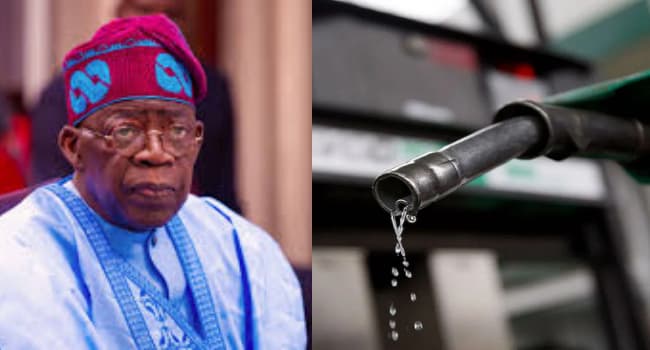
The International Monetary Fund (IMF) has cautioned Nigeria’s federal authorities against reintroducing a universal petrol subsidy, instead calling for focused assistance to poor and vulnerable households to ease the effects of higher energy prices.
Rodrigo Valdes, who heads the IMF’s Fiscal Affairs Department, made the position known at a press briefing on the Fiscal Monitor during the 2026 Annual Meetings of the IMF and World Bank in Bangkok.
According to Valdes, untargeted petrol subsidies carry a high cost, frequently deliver disproportionate benefits to consumers with higher incomes, and add to fiscal strain at a time when borrowing expenses are climbing.
His remarks came after he was asked how the Fund could support letting energy prices reflect scarcity when higher fuel costs in Nigeria might push up transport expenses, intensify inflation, and increase poverty. The question also noted that the Nigerian government is under pressure to bring back the petrol subsidy as an election year approaches.
“Protecting people is not the same as protecting the price of fuels,” Valdés said.
He noted that fuel subsidies, or policies that stopped prices from fully responding to an energy shock, had cost countries an amount equal to 1 per cent to 1.5 per cent of gross domestic product (GDP) in 2026.
He added that the government should rather rely on social safety nets and household data to determine which people require support.
Recently, the Federal Government announced a 30-day petrol discount at retail stations operated by Nigerian National Petroleum Company (NNPC) Limited. The measure gives priority to public transport operators as a way to reduce the effect of increasing fuel prices.
Newsletter
Get the biggest stories in your inbox
A concise morning briefing, curated by Chronicle editors.